

As we all know, alumina ceramics are obtained by chemically treating the bauxite raw materials to remove oxides of silicon, iron, titanium, etc., and are high purity alumina ceramic raw materials, and the Al2O3 content is generally above 95%.
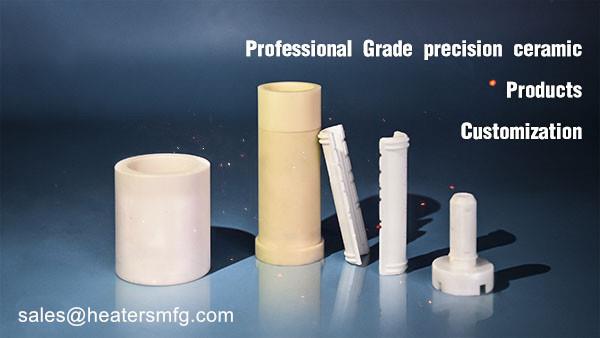
So what is the role of alumina ceramics?
1. Adsorption of hydrocarbons:
Under appropriate conditions, the pore size distribution and surface chemistry of alumina contribute to the adsorption of impurities in hydrocarbons. At present, many manufacturers of rubber, PS, ABS, and TPE use alumina desiccant to adsorb TBC inhibitor.
2. Separation and purification of the circulating process stream:
Alumina ceramics have excellent adsorption properties for highly polar compounds such as water and ethanol. At the same time, it can also adsorb TBC in hydrocarbons, as well as heavy metals.
3. Removal of acidic impurities:
Removes acid from the transformer oil, lubricants and refrigerants used. Activated alumina ceramics remove the acidic substances produced during their use. In the manufacture of chlorinated and fluorinated hydrocarbons, excess halides and water can be removed, which is necessary to not corrode the product.
In summary, it can be concluded that the alumina ceramic is hardly soluble in water, white solid, odorless, odorless, extremely hard, easy to absorb moisture without deliquescence (burning non-hygroscopic). Amphoteric oxide, soluble in inorganic acids and alkaline solutions, almost insoluble in water and non-polar organic solvents; relative density (d204) 4.0; melting point about 2000 ℃.


